As I mentioned toward the end of last week's class discussion, I much prefer talking about the lesson plans we came up with rather than the definitions. As would be teachers we're exposed to a lot of theory and precious little reality, we become adept at parroting and slightly rephrasing what we're being taught. We need to be like math teachers creating world problems, we need to put flesh on these theories and think about what it would be like to run a classroom. Only when we find a way to make these two dimensional examples part of our approach to teaching will we get any real value from them.
I've decided to highlight a few of the best examples from my classmates, followed by a few comments on what I've learned from them.
Benjamin Boegehold - Mar 20, 2011 8:43 PM
An excellent cognitive apprenticeship would be the building of a rooftop greenhouse and garden. Or, if feasible, the operation of a small farm, under the watchful eye of a master farmer. There are elements of biology, chemistry, physical science, literature, and visual art (not to mention political science, current events, economics, etc.) that can all be incorporated into a semester (or life) long learning experience. You can't eat standardized test scores... Plus, think of how all that hard work would cut down obesity rates!
What I find really wonderful about Ben's plan is that it so readily lends itself to the Model-Coach-Fade example. Obviously the students will need expert instruction to establish their garden. Once things have sprouted they will still require some coaching to know when to prune fertilize etc. Finally when the plants are established and blooming the students likely will so invested in the project they'll be able to garden on their own up til harvest.
Lauren LeGendre - Mar 19, 2011 9:29 AM
A real world application for WILD could be digital data loggers such as Vernier Software's LabQuest or PASCO's SPARK. Students can attach different probes such as salinity readers to test the salinity of salt, fresh, or brackish water. There are hundreds of different applications for these data loggers since the probes can be changed depending upon the science subject matter. They have ones for measuring force, light, or even heart rate!
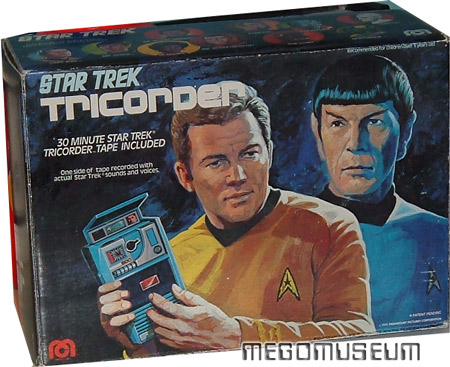
Finally a chance to be Mr.Spock with a tricorder! I'm leery of too much tech in the classroom because of the distraction factor but this example takes it out into the field where it can really enhance learning in exciting ways. I could see students even being excited to record their heart rates after rushing between classes vs after sitting all period. This is a wonderful tool for sci-eductation.
Jamie Gallagher - Mar 20, 2011 9:34 AM
Students can begin with a small hands on experiments on earthquakes. The students will discover through the experiment that there is more to learn than what is presented in the experiment. As the students begin to come up with thoughtful questions, they can then work as a collective to answer those questions through discovery. Discovery can mean, researching and learning more about the topic from internet research that takes them to the epicenter of an earthquake. Students will create a mind map throughout the discovery process as a way to delve deeper into the topic by recognizing the thoughts and questions of others.
Aside from being very topical to Japan this a great example of how going in depth can lead to greater understanding. Everyone knows earthquakes and Richter scale numbers but few actually understand how they work. Complicated factors like plate tectonics and tsunamis require the learner to investigate beyond the basic idea of the ground shaking and things falling down. This is great way to turn something in the news into a teachable moment and let the students educate themselves at the same time.

